

The brain registers that using brought temporary comfort or pleasure, which strengthens the desire to do it again in the future. This “reward” effect is one of the main reasons the cycle is so hard to break—it conditions the brain to expect relief through substance use. The person follows through and uses the substance or engages in the addictive behavior. This often brings immediate Sober living house relief from the trigger, whether that’s physical relaxation, euphoria, or a feeling of escape from reality. People can also be addicted to gambling, food, shopping, exercise, or technology. This primer on demystifying addiction treatmentwalks through what to expect at each stage.
What Is The Difference Between A Slip-Up And A Full-Blown Relapse?

The first step in breaking any cycle is acknowledging that there’s a problem. This can be incredibly challenging, as denial is a powerful force in addiction. Sometimes it takes a moment of clarity, a wake-up call, or the intervention of loved ones to pierce through the fog of denial choose the correct cycle of addiction. and see the reality of the situation.
- Establishing new patterns and preventing high-risk situations are also very important to break the cycle of addiction.
- This stage marks a critical escalation from mere physical dependence to a chronic disorder where the psychological need to use becomes predominant.
- Remember, asking for help is a sign of strength; you don’t have to do it alone.
- Addiction is a cycle, often starting innocuously and spiraling into a consuming compulsion.
Addiction Wheel: Understanding the Cycle of Substance Abuse and Recovery
- Support groups provide an ongoing connection with others in addiction recovery.
- You need the substance just to feel baseline normal, experiencing neither euphoria nor comfort from use.
- More of the drug is needed to achieve the same effect, and withdrawal symptoms become more pronounced when use is discontinued.
- These symptoms of active drug addiction vary from person to person and depend on the specific drug(s) being used.
- For example, an individual might use drugs or alcohol to cope with stress, anxiety, or depression.
Work performance suffers, personal relationships deteriorate, and financial problems emerge. Medical experts like Dr. Hoffman emphasize that at this stage, substance abuse has become a chronic disease requiring professional https://anivita.garonedesign.com.br/best-alcohol-for-high-blood-pressure-can-it-help/ help rather than willpower alone. Understanding the stages of drug addiction can help you recognize warning signs early and seek help before substance abuse becomes severe. Whether you’re concerned about your own drug use or watching a loved one struggle, knowing how addiction progresses through distinct stages gives you the knowledge to take action. The addiction treatment community knows that addiction is a mental disorder.
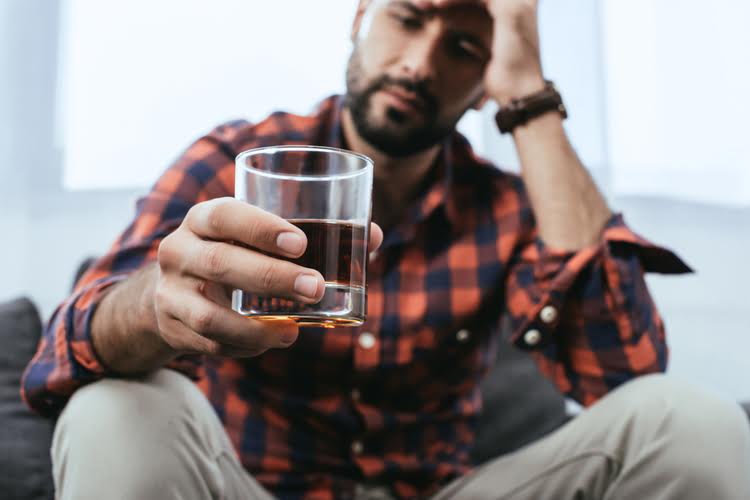
The Stages Of Addiction

Even if it doesn’t result in death, addiction can lead to permanent health problems. Once an addiction forms, a person often remains trapped in a vicious cycle. If they try to stop using the substance, for example, they may face bothersome physical withdrawal symptoms.
- Let’s explore the steps involved in breaking the cycle and reclaiming one’s life.
- At this point, the person may also start to develop a tolerance, where they need more of the substance to feel the same effects.
- The National Institute on Drug Abuse defines addiction as “a chronic, relapsing brain disease that is characterized by compulsive drug seeking and use, despite harmful consequences”.
- To clarify this point, there are some people who do need to use drugs or medication to keep them alive, mainly because they have a condition that requires taking it.
A Basic Primer on the Human Brain
Addiction is a difficult disease to overcome, especially on a person’s own. Working with treatment facilities, peers, and family is necessary for a truly comprehensive and effective approach to recovery. It can continue to affect daily life until it is professionally addressed. Even those who have navigated a treatment program and are maintaining their sobriety will still be tasked with navigating urges, cravings, and other challenges in daily sober life. Habits can develop into addiction, especially if the signs of addiction are not recognized in previous stages.
No comments yet, be the first to leave one!
You must be logged in to post a comment.